That moment at the gas pump when you’re faced with multiple fuel options can leave even experienced drivers second-guessing their choice. Your fuel selection affects both your wallet and your vehicle’s performance, especially given St. Louis’s unique conditions—from summer heat to winter freezes, and stop-and-go city traffic to interstate commutes.
At Reliable Guys Towing Service, we’ve helped countless St. Louis metro area drivers with fuel-related issues. Our team at (314) 325-1016 has seen firsthand how the right fuel choices prevent many roadside emergencies. In this guide, you’ll discover the real differences between regular and premium gasoline, how ethanol content affects your vehicle, diesel considerations, seasonal fuel changes, and whether fuel additives are worth the extra cost.
Table of Contents
ToggleRegular vs. Premium Gasoline: What St. Louis Drivers Need to Know
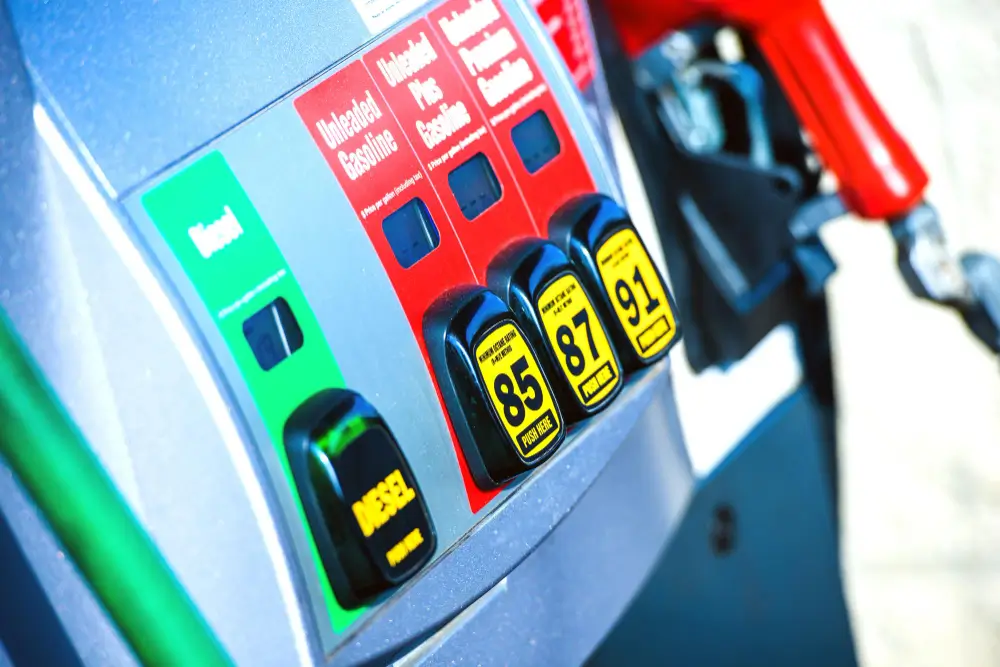
The most common decision drivers face at the pump involves octane ratings: typically 87 (regular), 89 (mid-grade), and 91+ (premium). But what do these numbers actually mean for your vehicle’s performance on St. Louis roads?
Octane rating measures a fuel’s ability to resist “knocking” or “pinging” during combustion. Higher octane fuels can withstand more compression before detonating, which is why luxury and high-performance vehicles often require premium fuel.
For most standard vehicles driving around the St. Louis area, regular 87 octane fuel works perfectly fine. Your vehicle’s owner manual specifies the recommended octane rating, and contrary to popular belief, using premium when regular is recommended doesn’t provide benefits worth the price difference. You won’t get better mileage, increased power, or engine longevity by “treating” your standard engine to premium fuel.
However, if your vehicle specifies premium fuel, it’s designed with a higher compression engine that requires higher octane to prevent knocking. This is common in:
- Luxury vehicles like Mercedes and BMW
- Sports cars and performance vehicles
- Some newer turbocharged engines
- Certain high-efficiency, smaller engines
When driving in St. Louis’s summer heat, the importance of using the correct octane becomes even more significant. Higher temperatures can increase the likelihood of engine knock when using lower-than-recommended octane levels.
The price difference between regular and premium in the St. Louis area typically ranges from 40 to 60 cents per gallon. For a vehicle that truly requires premium, this extra cost is necessary maintenance, not an optional upgrade.
Ethanol Content and E85: Pros and Cons for Midwest Drivers
Living in the heart of the Midwest means ethanol-blended fuels are a common sight at local pumps. But how does this corn-derived fuel component affect your vehicle’s performance on St. Louis roads?
Most gasoline sold in the St. Louis region already contains up to 10% ethanol (E10), which is safe for all gasoline vehicles manufactured since the 1980s. However, higher ethanol blends like E15 (15% ethanol) and E85 (up to 85% ethanol) require specific consideration.
E85 can only be used in Flexible Fuel Vehicles (FFVs), which are specifically designed to handle high ethanol content. Using E85 in a non-FFV can cause serious engine damage and void warranties. If you’re unsure whether your vehicle is an FFV, check your owner’s manual or look for a blue fuel cap or FFV badge.
For St. Louis drivers with compatible vehicles, E85 offers some interesting trade-offs:
- Lower cost per gallon (often 60-80 cents cheaper than regular gasoline)
- Reduced greenhouse gas emissions
- Support for Midwest agricultural economy
- Lower energy content, resulting in approximately 25-30% fewer miles per gallon
This mileage reduction means that despite the lower price per gallon, E85 often ends up costing more per mile driven. For long-distance commuters traveling between Missouri and Illinois, this reduced fuel efficiency can add up quickly.
Availability varies significantly across the metro area, with more stations offering E85 on the Illinois side due to different state incentives. Before committing to an FFV vehicle for E85 use, research station locations along your regular routes.
Diesel Fuel Considerations for St. Louis Drivers
Diesel engines have earned a dedicated following among long-distance commuters and those who need substantial towing power. For drivers regularly crossing the expansive St. Louis metro area, diesel can offer significant advantages.
The primary benefit of diesel fuel is efficiency. Diesel engines typically deliver 20-35% better fuel economy than their gasoline counterparts. For those with lengthy commutes between St. Charles County and Metro East Illinois, this translates to fewer fill-ups and potentially significant savings over time.
St. Louis’s temperature extremes require special attention for diesel vehicles. During winter months when temperatures drop below freezing, standard diesel fuel can gel, causing starting problems and fuel system issues. From December through February, look for winter-blended diesel or use an anti-gel additive to prevent these cold-weather complications.
Diesel quality can vary between stations. Major truck stops generally offer higher quality diesel with better additives than small convenience stores. For consistent performance, establish a relationship with stations that maintain their fuel storage systems properly and have high turnover rates.
Maintenance requirements differ significantly from gasoline vehicles. Though diesel engines often last longer, they require strict adherence to maintenance schedules, including more frequent fuel filter changes due to diesel’s higher particulate content.
Seasonal Fuel Type Considerations in St. Louis
Did you know gas stations actually change their fuel formulations between summer and winter? This regional practice significantly impacts your vehicle’s performance through St. Louis’s seasonal extremes.
Summer-blend fuels, sold from May through September, contain additives that prevent excessive evaporation during hot weather. These blends cost slightly more to produce but help reduce emissions and prevent vapor lock in hot weather. They’re particularly beneficial when idling in summer traffic near Busch Stadium or crawling along Highway 40 during rush hour.
Winter-blend fuels, available from October through April, evaporate more easily to help engines start in cold weather. This formulation costs less to produce, which is why gas prices often drop during fall in the St. Louis area. The easier evaporation helps your engine turn over on those freezing January mornings.
The transition between seasonal fuels can sometimes cause minor performance changes. You might notice slightly different gas mileage or starting characteristics during April/May and September/October when these switches occur.
For optimal seasonal performance:
- During extreme summer heat, fill up during the coolest part of the day (early morning or evening) to get the most dense fuel
- In winter, keep your tank at least half-full to reduce condensation that can cause fuel line freezing
- Consider a fuel system cleaner during seasonal transitions to help remove any deposits
Fuel Additives: Worth It for St. Louis Driving Conditions?
With shelves full of fuel additives promising everything from better mileage to engine rejuvenation, St. Louis drivers often wonder if these products deliver real value or just empty promises.
Fuel additives generally fall into three categories:
- Fuel system cleaners that remove carbon deposits from injectors and valves
- Octane boosters that increase the fuel’s resistance to knocking
- Stabilizers that preserve fuel during storage periods
For most daily drivers in the St. Louis area, occasional use of a quality fuel system cleaner (every 3,000-5,000 miles) can help maintain fuel injectors and prevent carbon buildup, especially in vehicles regularly used for short trips.
Octane boosters rarely provide value unless you’re using a vehicle that specifies premium fuel but only have access to regular gasoline—an uncommon scenario for most drivers.
Fuel stabilizers become valuable if your vehicle will sit unused for extended periods (over 30 days), which might apply to seasonal recreational vehicles or collector cars in the region.
The St. Louis driving environment, with its mix of highway and stop-and-go traffic, can create more carbon deposits than consistent highway driving. This makes periodic use of fuel system cleaners more beneficial here than in some other regions.
Conclusion and Recommendations
The best fuel choice for your St. Louis driving needs depends on your specific vehicle, driving patterns, and budget. For most drivers, following manufacturer recommendations provides the optimal balance of performance and economy—there’s rarely benefit to purchasing higher octane fuel than required.
Remember that seasonal considerations matter in our region’s climate extremes, with winter-blend fuels helping cold starts during January freezes and summer blends preventing vapor lock during July heat waves.
At Reliable Guys Towing Service, we provide emergency fuel delivery throughout the St. Louis metro area at (314) 325-1016 when you’re caught empty, but we’d prefer helping you avoid those situations through smart fuel choices. Whether commuting across the Mississippi or navigating local neighborhoods, understanding fuel types pays dividends in vehicle performance, reliability, and long-term maintenance costs.