That glowing tire pressure symbol on your dashboard isn’t just a suggestion to check your tires someday. Ignoring a TPMS warning light costs St. Louis drivers an average of $400 in premature tire replacement, while addressing it promptly typically requires less than 15 minutes and costs nothing.
Your tire pressure monitoring system exists for one critical reason: keeping you safe on Missouri and Illinois roads. This guide explains what triggers your TPMS warning light, simple troubleshooting steps you can handle yourself, and when professional help becomes necessary. We’ll also cover how St. Louis metro area weather patterns affect your tire pressure and monitoring system.
When TPMS problems require professional diagnosis or mobile tire service, Reliable Guys Towing Service provides expert solutions throughout the St. Louis metro area. Contact us at 1 (405) 449-8100 for immediate assistance with mobile tire repair.
Understanding Your Vehicle’s Tire Pressure Monitoring System
Your tire pressure monitoring system constantly watches tire pressure levels and alerts you when pressure drops below safe thresholds. Federal law requires TPMS on all vehicles manufactured after 2007 because proper tire pressure prevents thousands of accidents annually.
Two types of tire pressure monitoring systems monitor your tires differently. Direct systems use sensors inside each wheel to measure actual pressure and transmit data to your dashboard. Indirect systems monitor wheel speed through your ABS sensors and detect pressure changes when tire circumference changes due to deflation.
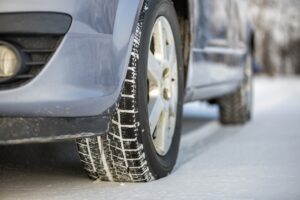
St. Louis area drivers deal with extreme temperature swings that significantly impact tire pressure. For every 10-degree temperature drop, tire pressure decreases by approximately one PSI. This means winter cold snaps can trigger TPMS warnings even when your tires were properly inflated during warmer weather.
Why Your TPMS Warning Light Activates in St. Louis
Temperature fluctuations cause the majority of TPMS activations in the St. Louis metro area. Missouri’s variable climate creates rapid pressure changes that catch many drivers unprepared, especially during spring and fall transitions.
Slow leaks represent another common trigger for TPMS warnings. Small punctures from road debris, nail damage, or gradual air seepage around wheel rims cause gradual pressure loss that activates your monitoring system before you notice handling changes.
Recent tire service often triggers temporary TPMS warnings. Tire rotations, replacements, or repairs can disrupt sensor positioning or require system recalibration to recognize new tire positions.
Have you noticed your TPMS light appearing after hitting a pothole or curb? Road impact can damage sensors or knock wheels out of proper alignment, affecting both tire pressure and sensor function.
Sensor battery life typically ranges from seven to ten years. As sensors age, weak batteries cause intermittent warnings or complete sensor failure that requires professional replacement and programming.
Quick DIY Solutions for Tire Pressure Monitoring Alerts
Start with a visual tire inspection before reaching for tools. Look for obvious deflation, bulges, cuts, or foreign objects embedded in the tread. Check sidewalls for cracks or damage that might indicate pressure loss.
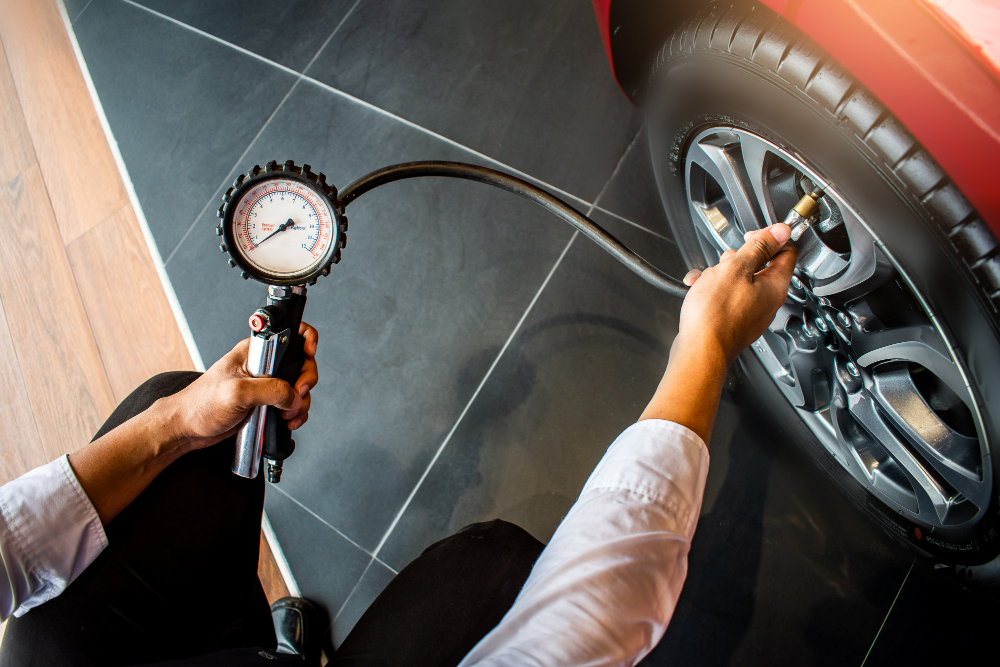
Use a quality tire pressure gauge to measure actual pressure in each tire. Compare readings to the manufacturer’s recommended PSI found on your driver’s door jamb sticker, not the maximum pressure printed on tire sidewalls.
Inflate tires to proper specifications using a reliable air compressor. Many gas stations provide free air, but portable compressors offer convenience and accuracy for home use.
After correcting tire pressure, your TPMS system may require manual reset depending on your vehicle type:
• Toyota and Lexus vehicles typically need the TPMS reset button held until the warning light blinks three times
• Honda and Acura models often reset automatically after driving 20-30 minutes at highway speeds
• GM vehicles usually require a specific sequence using the turn signal and hazard lights
• Ford models may need professional scan tool reset after tire service
Drive for 10-15 minutes after pressure correction and reset procedures. Most systems automatically clear warnings once proper pressure is detected and maintained.
Professional Tire Pressure Monitoring St. Louis Diagnosis
Complex TPMS problems require specialized diagnostic equipment that most drivers don’t own. Professional technicians can identify faulty sensors, programming issues, or electrical system problems that prevent proper monitoring.
Sensor replacement becomes necessary when batteries die or physical damage occurs. Each sensor requires specific programming to communicate with your vehicle’s computer system, making DIY replacement impractical for most drivers.
Intermittent TPMS warnings often indicate developing sensor problems or electrical interference. These issues require systematic testing to identify root causes and prevent complete system failure.
Why does your TPMS light stay on even after fixing a flat tire? Sensor damage during tire repair, improper reset procedures, or system calibration issues can maintain warning lights despite proper tire pressure.
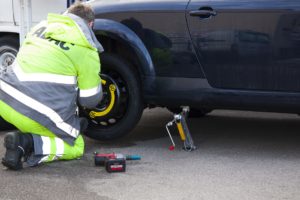
Mobile tire service offers significant advantages for TPMS-related problems. Professional technicians bring diagnostic equipment, replacement sensors, and programming tools directly to your location, eliminating the need for towing or driving on potentially unsafe tires.
Preventing TPMS Issues in St. Louis Metro Weather
Monthly tire pressure checks prevent most TPMS warnings and extend tire life significantly. Check pressure when tires are cold, preferably in the morning before driving, for most accurate readings.
Monitor weather forecasts for significant temperature changes that affect tire pressure. Proactive adjustment before cold fronts prevents unexpected TPMS warnings during your commute.
Protect TPMS sensors during tire service by informing technicians about sensor locations and requesting careful handling. Proper service prevents sensor damage that leads to expensive replacement.
Understand seasonal pressure adjustments needed for Missouri and Illinois climate extremes. Summer heat increases pressure while winter cold decreases it, requiring different baseline settings throughout the year.
Regular tire maintenance including rotation, balancing, and alignment protects both tires and TPMS sensors from premature wear and damage.
When to Call for Professional TPMS Service
Persistent warning lights after pressure correction indicate sensor or system problems requiring professional diagnosis. Don’t ignore warnings that return repeatedly despite proper tire inflation.
Multiple tire pressure losses suggest systematic problems like rim damage, valve stem deterioration, or sensor malfunctions that need expert evaluation.
Recent tire service that triggered ongoing TPMS problems requires professional recalibration or sensor programming to restore proper system function.
Emergency TPMS situations including rapid pressure loss, sensor damage, or safety concerns warrant immediate professional assistance to prevent accidents or further damage.
Maintaining Reliable Tire Pressure Monitoring
Proper TPMS maintenance protects your safety and prevents expensive tire damage from undetected pressure loss. Regular pressure checks, prompt warning response, and professional service when needed keep your monitoring system functioning reliably.
Understanding your tire pressure monitoring patterns helps you respond appropriately to different situations. Simple pressure adjustments handle weather-related warnings while persistent issues require professional attention.
For expert TPMS diagnosis, sensor replacement, or mobile tire pressure service throughout the St. Louis metro area, contact Reliable Guys Towing Service at 1 (405) 449-8100. Our experienced technicians provide reliable solutions when you need us most.