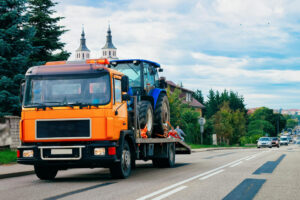

Missouri’s agricultural backbone depends on keeping heavy machinery moving between farms, repair shops, and seasonal work sites. When your John Deere combine breaks down during harvest or your Case tractor needs transport to a specialized dealer, knowing your options can save both time and money. Farm equipment towing Missouri services handle everything from emergency breakdowns to planned relocations, but understanding the process helps farmers make informed decisions about when to call professionals versus attempting transport themselves.
This guide covers Missouri’s legal requirements for agricultural equipment transport, safety considerations for different machinery types, cost factors, and when professional farm equipment towing Missouri services become essential. For immediate assistance with agricultural machinery transport throughout the St. Louis metro area, contact us at Reliable Guys Towing Service at (314) 325-1016.
When Farm Equipment Needs Professional Transport
Agricultural machinery transport needs arise more frequently than many farmers anticipate. Equipment breakdowns during critical seasons like planting or harvest create urgent transport situations where time matters as much as safety.
Emergency Transport Scenarios
Engine failures, hydraulic system breakdowns, and transmission problems can strand expensive equipment in fields or along rural roads. These situations require immediate response since weather conditions or crop timing may not allow for extended delays. Understanding why special vehicle towing services should be part of your emergency plan can help farmers prepare for unexpected breakdowns during critical seasons.
Planned Relocations and Purchases
Farmers expanding operations often need to move equipment between properties or transport auction purchases from distant locations. New equipment deliveries from dealerships also require specialized transport to prevent damage during delivery. These planned moves allow for proper preparation and scheduling with professional transport services.
Repair Shop Transport
Complex repairs requiring specialized facilities mean transporting equipment to authorized service centers or rebuilding shops. Farm equipment towing Missouri professionals understand the unique requirements for different machinery types and can safely transport equipment to appropriate repair facilities.
Missouri DOT Requirements for Agricultural Equipment Transport
Understanding Missouri Department of Transportation regulations helps farmers avoid costly citations and ensures safe legal transport of agricultural machinery.
Standard Transport Limits
Missouri allows standard vehicles up to 8.5 feet wide, 13.5 feet high, and 80,000 pounds gross vehicle weight without special permits. Most compact tractors and smaller implements fall within these limits, allowing transport on standard trailers without additional documentation.
Oversized Load Permit Requirements
Equipment exceeding standard dimensions requires oversized load permits from Missouri DOT. Large combines, wide implements, and heavy tractors typically need these permits, which specify approved routes and time restrictions.
Key permit requirements include:
- Applications submitted at least three business days before transport
- Specific route approval for oversized loads
- Daylight-only transport restrictions for extremely wide equipment
- Weekend and holiday limitations on certain routes
- Professional escort vehicles for loads exceeding specific dimensions
Interstate Considerations
Transport crossing state lines between Missouri and Illinois requires permits from both states. Interstate highways have different regulations than state roads, and some equipment may require alternate routing to avoid restricted bridges or tunnels.
Safe Loading and Transport Techniques
Proper transport methods prevent equipment damage and ensure road safety during agricultural machinery moves throughout Missouri.
Flatbed vs Lowboy Trailers
Standard flatbed trailers work well for compact tractors, smaller implements, and equipment under 10 feet high. The higher deck height accommodates standard loading ramps and fits most farm situations.
Lowboy trailers provide lower deck height essential for tall equipment like combines, large tractors, and high-clearance sprayers. The lower profile helps clear overhead obstacles while maintaining legal height limits.
Pre-Transport Preparation Steps
- Remove excessive mud and debris that adds unnecessary weight
- Secure or remove loose panels, mirrors, and attachments
- Check fluid levels and address any leaks before loading
- Disconnect batteries to prevent electrical issues during transport
- Document existing damage with photos for insurance purposes
- Verify equipment dimensions match trailer capabilities
Securing Equipment for Transport
Proper tie-down techniques prevent equipment movement that can cause damage or create road hazards. Professional farm equipment towing Missouri services use grade 70 transport chains rated for the equipment weight, positioned at designated tie-down points specified by manufacturers.
Multiple attachment points distribute forces evenly across the equipment frame. Tension monitoring during transport ensures chains maintain proper tightness as equipment settles on the trailer.
Professional vs DIY Transport Decision Factors
Determining when to use professional farm equipment towing Missouri services versus self-transport depends on several key factors that affect both safety and economics.
Equipment Value Considerations
High-value equipment like new combines or specialized harvesters justify professional transport costs through reduced damage risk. Insurance coverage may also require professional transport for equipment exceeding certain values.
Distance and Route Complexity
Local moves under 50 miles with simple routes may suit self-transport, while long-distance moves or routes requiring permits favor professional services. Mountain terrain, bridge restrictions, and urban areas add complexity that professional drivers handle more safely.
Time Sensitivity and Seasonal Demands
Harvest season breakdowns or planting deadline pressures make professional transport worthwhile despite higher costs. Professional services provide faster response times and eliminate learning curves for permit applications or route planning.
Available Equipment and Expertise
Farmers with appropriate trailers, proper tie-down equipment, and transport experience may handle routine moves independently. However, lack of proper equipment or unfamiliarity with regulations makes professional services more economical when considering potential citations or damage costs.
Cost Factors and Insurance Considerations
Farm equipment transport costs vary based on multiple factors that farmers should understand when budgeting for professional services.
Distance and Route Pricing
Transport costs typically start with base rates for local moves within 25 miles, then increase per mile for longer distances. Rural pickup locations may include additional charges for travel time to reach equipment locations.
Permit requirements add fees ranging from standard oversized load permits to complex multi-state permits for interstate transport. Escort vehicle requirements further increase costs but ensure legal compliance for extremely wide or heavy equipment.
Seasonal Demand Impact
Harvest season creates peak demand for farm equipment towing Missouri services, often resulting in premium pricing and reduced availability. Planning non-emergency moves during off-peak periods can reduce costs significantly.
Emergency transport commands higher rates due to immediate response requirements and potential after-hours service. Scheduled moves allow for better rate negotiations and service timing flexibility.
Insurance Coverage Verification
Professional transport services carry specialized insurance covering high-value agricultural equipment during transport. Farmers should verify coverage limits match their equipment values and understand deductible requirements before transport begins.
Equipment age, condition, and modification status affect insurance coverage and claims processing. Documenting equipment condition before transport protects both farmers and transport providers in case of damage claims.
Professional Transport Services in Missouri
Missouri’s agricultural regions require specialized knowledge of rural roads, seasonal conditions, and equipment-specific handling requirements that professional farm equipment towing services provide.
Experienced transport providers understand Missouri’s diverse agricultural needs, from row crop operations in northern counties to livestock facilities throughout the state. This regional expertise ensures appropriate equipment selection and route planning for safe, efficient transport.
Professional services maintain relationships with equipment dealers, repair facilities, and agricultural suppliers throughout Missouri, enabling coordinated deliveries and streamlined service for farmers needing multiple stops or complex logistics support.
Making the Right Transport Choice
Farm equipment towing Missouri decisions impact both immediate costs and long-term equipment protection. Professional transport provides expertise, insurance coverage, and legal compliance that protect farmers from liability while ensuring equipment reaches destinations safely.
Understanding Missouri’s transport regulations, safety requirements, and cost factors helps farmers make informed decisions about when professional services justify their expense versus self-transport options. Emergency situations, high-value equipment, and complex routes typically favor professional transport, while routine local moves may suit experienced farmers with proper equipment.
For reliable agricultural machinery transport throughout Missouri and the St. Louis metro area, contact us at Reliable Guys Towing Service at (314) 325-1016. We provide professional farm equipment towing Missouri services with the specialized equipment and regulatory knowledge needed to keep your agricultural operations moving safely and efficiently.