
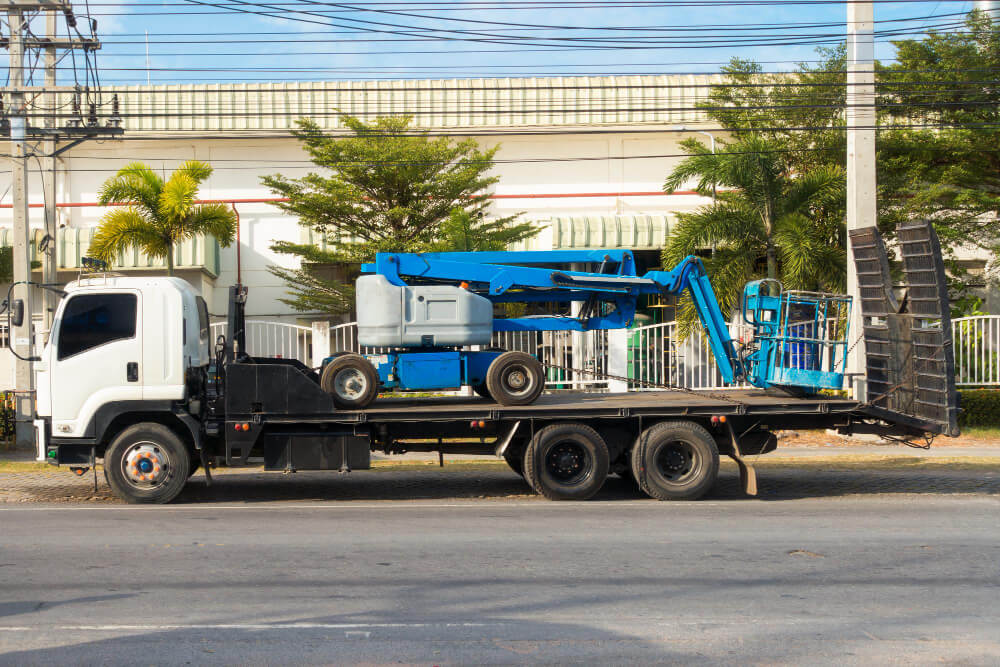
Your delivery truck breaks down on a busy St. Louis street, and the first towing company you call says they can’t help because your vehicle is too heavy for their equipment. This frustrating scenario happens to many drivers. Medium duty tow trucks fill the critical gap between standard passenger vehicle towing and heavy commercial recovery, handling vehicles that weigh between 10,000 and 26,000 pounds. At Reliable Guys Towing Service, we understand the unique challenges of towing RVs, box trucks, and commercial vehicles throughout the St. Louis metro area. You can reach us at (314) 325-1016 when you need specialized medium-duty towing services.
This guide explains what medium duty tow trucks are, which vehicles require them, and why using the right equipment makes all the difference for safe, damage-free transport.
What Are Medium Duty Tow Trucks?
Medium duty tow trucks are specialized recovery vehicles designed to handle loads between light-duty and heavy-duty classifications. These trucks typically tow vehicles with a Gross Vehicle Weight Rating (GVWR) of 10,000 to 26,000 pounds, filling an essential niche in the towing industry.
The key distinction lies in their enhanced capabilities compared to standard tow trucks. Medium duty trucks feature stronger boom and winch systems, reinforced chassis and suspension components, and more powerful hydraulic systems. These improvements allow them to safely lift, secure, and transport heavier vehicles that would overwhelm conventional towing equipment.
In industry terms, medium duty tow trucks handle Class 4 through Class 6 vehicles. Standard light-duty tow trucks work well for passenger cars, pickup trucks, and small SUVs under 10,000 pounds, but they lack the structural strength and power needed for heavier commercial and recreational vehicles.
Vehicles That Need Medium Duty Towing Services
Commercial and Delivery Vehicles
Box trucks and delivery vehicles are common candidates for medium duty towing. Moving trucks from rental companies typically fall into this weight range, as do furniture delivery trucks, appliance delivery vehicles, and food service trucks.
These vehicles present unique challenges because their weight distribution and height make them unsuitable for standard wheel-lift towing methods. The rear axle weight often exceeds what light-duty equipment can safely lift, creating potential safety hazards and equipment damage.
Recreational Vehicles and Motorhomes
RV owners frequently need medium duty towing services for Class B and smaller Class C motorhomes. These vehicles combine the weight of a commercial chassis with living accommodations, creating specific towing requirements.
Travel trailers and fifth wheels also require careful consideration. While the towing vehicle itself might be manageable with standard equipment, the combined weight of truck and trailer often necessitates medium-duty capabilities for safe transport.
Specialized Commercial Equipment
Medium duty tow trucks handle various specialized vehicles including:
• Small buses and shuttle vehicles used for transportation services
• Emergency vehicles like ambulances and fire department support trucks
• Utility trucks with heavy equipment mounted on commercial chassis
• Service vehicles carrying tools, parts, and specialized equipment
Each of these vehicle types has specific requirements for proper lifting points, weight distribution, and securing methods that medium duty equipment can accommodate.
Why Standard Tow Trucks Can’t Handle These Jobs
Using inadequate towing equipment creates serious safety and liability concerns. Standard tow trucks have weight limits for good reason, and exceeding these limits compromises the stability and braking capacity of the towing vehicle.
Attempting to tow overweight vehicles can cause transmission damage in the disabled vehicle, particularly with wheel-lift methods that don’t properly support the vehicle’s weight. The improper towing angle can stress suspension components and cause body damage where lifting chains or straps contact the frame.
From an operational standpoint, undersized towing equipment simply cannot maneuver heavier vehicles safely. The tow truck’s braking system may be inadequate for the combined weight, creating dangerous situations on highways and city streets. Ground clearance becomes an issue when the towing equipment cannot achieve the proper angle for safe transport.
Medium Duty Towing Equipment and Methods
Flatbed vs. Wheel-Lift Options
Flatbed towing often provides the safest option for RVs and box trucks because it eliminates stress on the vehicle’s drivetrain and suspension. The entire vehicle rides on the truck bed, preventing any wheels from touching the ground during transport.
Wheel-lift towing can work for certain commercial vehicles when proper lifting points are available and weight distribution allows for safe operation. However, this method requires careful assessment of the vehicle’s construction and weight balance.
Specialized Safety Features
Medium duty tow trucks include enhanced safety equipment specifically designed for heavier loads:
• Outrigger stabilizers that extend from the truck chassis to provide stability during loading operations
• Extended boom assemblies that can reach difficult positioning requirements
• Air brake connections that allow the tow truck operator to control the braking system of larger commercial vehicles
• Enhanced lighting systems that meet DOT requirements for oversized load transport
Choosing the Right Medium Duty Towing Service
When you need medium duty towing, asking the right questions can prevent delays and ensure proper handling of your vehicle. Verify that the towing company has equipment rated for your vehicle’s weight and type. Ask about their experience with your specific vehicle category, whether it’s RVs, delivery trucks, or specialized commercial equipment.
Insurance coverage becomes particularly important with medium duty operations because of the higher vehicle values and potential liability exposure. Confirm that the towing service carries adequate coverage for commercial vehicle transport.
Look for operators who understand the unique requirements of medium duty vehicles. Proper tie-down procedures, knowledge of lifting points, and familiarity with DOT regulations are essential for safe transport of heavier vehicles.
Cost Factors in Medium Duty Towing
Medium duty towing typically costs more than standard passenger vehicle towing due to the specialized equipment requirements and higher operational expenses. The trucks themselves represent a significant investment, and insurance costs are higher for commercial towing operations.
Loading and securing heavier vehicles takes more time than standard cars, which affects pricing. The operator must carefully position the vehicle, verify proper weight distribution, and ensure all safety equipment is properly engaged before transport.
Planning ahead can help manage these costs. Some roadside assistance programs offer medium duty coverage, and some commercial vehicle warranties include towing provisions. Regular maintenance helps prevent breakdowns that require emergency towing services during expensive after-hours periods.
Making the Right Choice for Your Vehicle
Medium duty tow trucks serve an essential role in safely transporting vehicles that fall between passenger cars and heavy commercial equipment. Whether you own an RV, operate delivery trucks, or manage a fleet of commercial vehicles, understanding these capabilities helps you make informed decisions when towing services become necessary.
The key is matching the right equipment to your specific vehicle and situation. When you need medium duty towing services in the St. Louis metro area, Reliable Guys Towing Service has the specialized equipment and expertise to handle your commercial and recreational vehicle recovery needs safely and efficiently. Contact us at (314) 325-1016 for professional medium duty towing services that protect your valuable investment and get you back on the road quickly.