
Staring at another expensive repair estimate while your car sits broken in the driveway creates a familiar financial dilemma for vehicle owners across the country. Deciding when to junk your car involves more than just comparing repair costs to your budget. Smart vehicle disposal decisions require evaluating safety risks, ongoing reliability issues, and total ownership costs that extend far beyond the initial repair quote.
This comprehensive guide helps car owners recognize the clear warning signs that indicate when junking makes more financial sense than continued repairs. Understanding these factors prevents throwing good money after bad on vehicles that have reached the end of their practical lifespan, while ensuring safety remains the top priority in transportation decisions.
When vehicles in the St. Louis metro area reach the point where repair costs exceed practical limits, Reliable Guys Towing Service provides professional removal services for cars that can no longer be driven safely. Contact us at (314) 325-1016 for expert guidance when deciding whether your vehicle has reached the end of its useful life.
Financial Red Flags That Signal When to Junk Your Car
The most reliable indicator for vehicle disposal decisions involves comparing repair costs to current vehicle value using the 50% rule. When repair estimates exceed 50% of your car’s current market value, junking typically makes better financial sense than investing in expensive fixes.
The 50% Rule for Repair Decisions
Vehicle valuation requires checking multiple sources including Kelley Blue Book, Edmunds, and local classified ads for similar cars. Private party values usually exceed trade-in values by 15-20%, providing a more accurate baseline for repair decision calculations.
Emotional attachment often clouds financial judgment when making vehicle disposal decisions. A car with sentimental value still requires objective evaluation based on repair costs, safety concerns, and reliability expectations for future transportation needs.
Cascading Repair Problems
Major system failures rarely occur in isolation, especially in vehicles with high mileage or advanced age. Engine problems often reveal additional issues with cooling systems, electrical components, and transmission systems that weren’t apparent during initial diagnosis.
When one expensive repair leads to discovery of multiple additional problems, total costs can quickly exceed reasonable investment limits. Professional mechanics often uncover related issues only after beginning major repair work, making initial estimates unreliable for final cost calculations.
Annual repair tracking helps identify patterns indicating systemic vehicle deterioration. When yearly maintenance and repair costs approach monthly payments for newer vehicles, replacement becomes the more practical financial choice.
Safety Concerns Override Financial Considerations
Vehicle safety issues create immediate priorities that supersede cost considerations when deciding whether to repair or junk cars. Structural damage, critical system failures, and emissions problems pose risks that make continued operation inadvisable regardless of repair costs.
Critical Safety System Failures
- Brake system problems requiring complete replacement of master cylinders, brake lines, or multiple components
- Steering issues affecting vehicle control including worn steering components or alignment problems
- Suspension failures compromising vehicle stability and tire contact with road surfaces
- Electrical system malfunctions affecting lights, signals, or safety equipment operation
Frame damage from accidents or severe rust compromises crash protection systems designed to protect occupants during collisions. Professional inspection can reveal structural problems that make vehicles unsafe for highway driving regardless of other mechanical condition.
Airbag system recalls and malfunctions create liability issues for vehicle owners, especially when repair costs exceed vehicle value. Many older vehicles face expensive airbag replacement requirements that make continued operation financially impractical.
Environmental and Legal Compliance
Failed emissions testing indicates expensive catalytic converter or engine management system problems that often exceed repair cost thresholds for older vehicles. Most states require emissions compliance for vehicle registration, making non-compliant cars legally undriveable.
Severely polluting vehicles contribute to environmental problems that responsible car owners should consider when making disposal decisions. Modern emissions standards reflect significant improvements in air quality that older, high-polluting vehicles undermine.
Age, Mileage, and Market Reality Factors
High-mileage vehicles over 200,000 miles face exponentially increasing repair frequency and costs as multiple systems reach end-of-life simultaneously. Component replacement becomes more frequent and expensive as wear items require attention at shorter intervals.
Parts availability becomes problematic for vehicles over 15-20 years old, especially for imported or less common models. Discontinued parts create repair delays and inflated costs that make maintenance increasingly impractical for older vehicles.
Market Value Depreciation Impact
Vehicle depreciation accelerates significantly after 10 years and 150,000 miles, making extensive repairs economically unfeasible when total costs approach or exceed current market value. Newer vehicle reliability improvements make older cars less cost-effective for dependable transportation.
Insurance costs often increase for older vehicles with poor safety ratings, while comprehensive coverage becomes financially impractical when premiums approach vehicle values. Registration and inspection requirements add ongoing costs that compound the total ownership expense.
Making the Final Decision: Practical Steps
Getting accurate repair estimates requires consulting multiple qualified mechanics for major repair confirmations. Single estimates may not reveal the full scope of problems, while multiple opinions provide better insight into total repair requirements and costs.
Calculating True Ownership Costs
Total cost analysis must include hidden expenses like towing services, rental cars during repair periods, and lost work time from transportation unreliability. Emergency repairs often cost more than planned maintenance, while breakdown incidents create additional stress and expense.
Insurance considerations affect repair versus replacement decisions, especially when collision coverage applies to accident damage. Deductibles and coverage limits may make replacement more practical than extensive bodywork or mechanical repairs.
Professional Disposal Options
Vehicle donation provides tax deductions for qualifying charitable contributions, though actual benefits depend on individual tax situations and vehicle condition. Documentation requirements for donations include proper title transfer and receipts for tax filing purposes.
Scrap yard sales depend on current metal prices and vehicle weight, with running cars typically commanding higher prices than non-operational vehicles. Professional removal services ensure safe transport for cars that cannot be driven to disposal facilities.
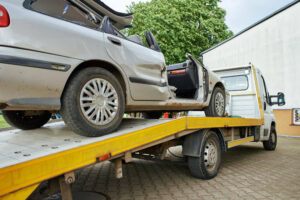
When vehicles cannot start or drive safely, specialized removal equipment becomes necessary for proper transport. Professional services handle the logistics of non-running vehicle removal while ensuring proper environmental disposal practices.
Understanding the Vehicle Disposal Process
Proper preparation for vehicle disposal requires gathering title documents, removing personal property, and canceling registration and insurance coverage. License plates typically remain with the owner for transfer to replacement vehicles or return to motor vehicle departments.
Hazardous materials including fluids, batteries, and air conditioning refrigerants require proper handling during disposal preparation. Environmental regulations govern proper disposal of automotive fluids and components to prevent contamination.
Professional removal services provide expertise in handling documentation requirements and environmental compliance during vehicle disposal. Reputable companies ensure proper procedures while maximizing value recovery for vehicle owners.
Knowing when to junk your car requires honest evaluation of repair costs, safety risks, and ongoing reliability expectations for practical transportation. Financial analysis using the 50% rule helps remove emotional bias from disposal decisions, while safety concerns must always take priority over cost considerations.
Professional evaluation confirms disposal decisions when multiple repair estimates seem overwhelming or when safety issues create immediate concerns. Reliable removal services ensure proper handling of non-running vehicles while managing environmental compliance requirements.
When St. Louis area vehicles reach the point where repairs no longer make financial sense, Reliable Guys Towing Service provides professional assessment and removal services for safe disposal. Contact us at (314) 325-1016 for expert guidance when determining whether your vehicle has reached the end of its practical lifespan and requires professional removal services.