A dead battery is stressful enough. When it happens in the rain, it’s easy to wonder if you’re about to make things worse or put yourself in danger. This article explains how to jump start a car in the rain safely, what extra precautions matter in wet weather, and when it’s smarter to stop and get help. If you’re stuck somewhere in the St. Louis metro area and would rather have someone handle it, you can call Reliable Guys Towing Service at (314) 325-1016.
Table of Contents
ToggleJump-starting in the rain: is it safe?
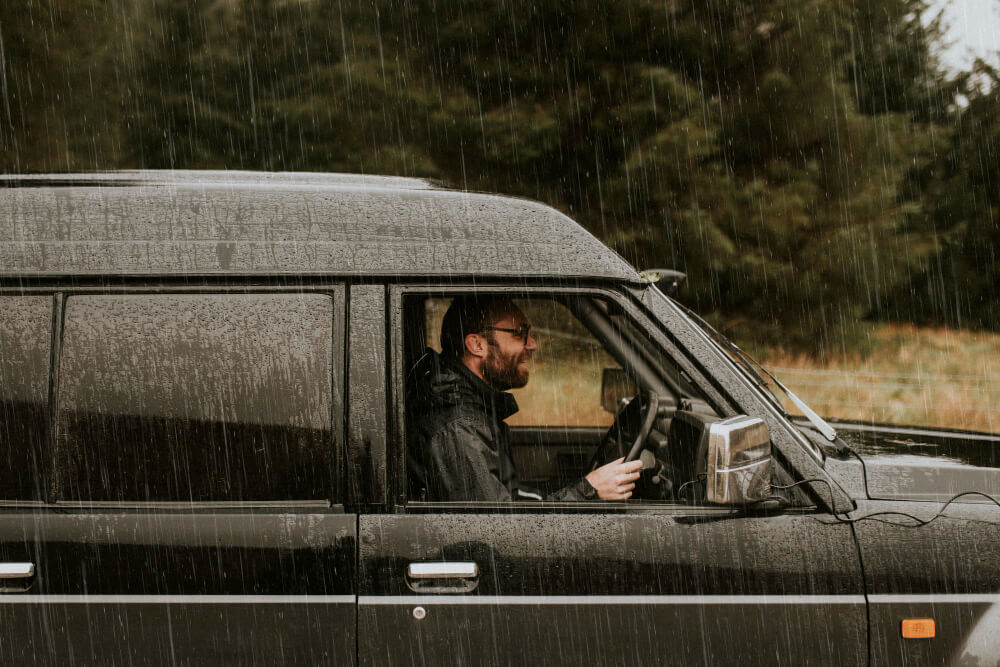
In most cases, jump-starting a car in the rain is generally safe if you follow the correct steps and use basic common sense. Your car’s electrical system is designed to handle wet roads and bad weather. Rain itself doesn’t automatically make jumper cables dangerous.
What rain does change is the environment around you. Wet pavement can be slippery, visibility is worse, and it’s easier to rush. Those factors cause most rain-related jump-start problems, not the electricity.
A jump start becomes higher risk when:
- You’re on a narrow shoulder or close to fast traffic.
- There’s standing water, flooding, or water reaching the battery area.
- You see battery damage, leaking fluid, or heavy corrosion.
- Lightning is actively happening nearby.
If any of those apply, it’s often better to pause and call for roadside assistance rather than trying to “power through.”
Before you do anything: a quick safety check
Rainy conditions make safety steps more important than speed. Take 30 seconds to get set up.
Get to the safest spot you can
If the vehicle is in a dangerous spot and can be moved safely (for example, you can push it into a parking lot with help), do that before you connect anything. If you’re on a busy road with limited shoulder space, prioritize your personal safety over the vehicle.
Turn on your hazard lights, set the parking brake, and put the car in Park (or in gear for a manual). Keep both vehicles stable and away from traffic as much as you can.
If there’s lightning, wait
If you can hear thunder or see lightning nearby, don’t handle jumper cables. Lightning risk is not worth it. Wait somewhere safe, or call for help.
Stop if you smell fuel or see leaking fluids
A jump start can create small sparks when making connections. If there’s a fuel smell, visible leaking, or anything that suggests a fire risk, do not proceed.
What you need (and what works best in wet weather)
You can jump-start a car in the rain using either jumper cables and a second vehicle, or a portable jump starter pack.
Portable jump starters are often easier in the rain because you don’t need to position two vehicles close together, and you have fewer steps. If you do use cables, make sure they’re in good shape, with intact insulation and clean clamps.
A few helpful items if you have them:
- Gloves that give you grip when things are wet
- A small flashlight or headlamp so you can see terminals clearly
- A towel or rag to wipe moisture off the top of the battery and cable clamps
Try to keep tools and cables organized so you’re not kneeling in puddles or dragging clamps across wet pavement.
Step-by-step: how to jump start a car in the rain
If you’re going to do this yourself, the goal is simple: make solid connections, avoid mixing up positive and negative, and keep the cables away from moving parts.
1) Prep both vehicles
- Turn both vehicles off.
- Open hoods and locate battery terminals. Some cars have remote jump terminals under the hood, especially if the battery is in the trunk or under a seat. If you’re unsure, check the owner’s manual.
- Make sure the cables can’t get pulled into belts or fans when the engine starts.
Keep metal tools away from the battery top. In wet weather it’s easier to slip, and you don’t want to accidentally bridge terminals with a tool.
2) Connect the cables in the correct order
Use this sequence:
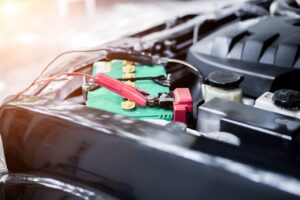
- Connect red (positive) clamp to the positive (+) terminal on the dead battery.
- Connect the other red (positive) clamp to the positive (+) terminal on the good battery.
- Connect black (negative) clamp to the negative (-) terminal on the good battery.
- Connect the other black (negative) clamp to a solid, unpainted metal ground on the dead vehicle, away from the battery. A thick metal bracket or engine block bolt is often used.
That last step matters because it reduces the chance of sparks right at the battery.
3) Start the running vehicle, then try the dead vehicle
Start the vehicle with the good battery and let it run for a minute or two. Then try to start the dead vehicle.
If it doesn’t start right away:
- Stop cranking after a few seconds to avoid overheating the starter.
- Wait a minute, then try again.
- Check the clamps for solid contact. In the rain, a clamp can look “on” but not be biting firmly.
4) Disconnect in reverse order
Once the dead vehicle starts, remove the cables carefully in reverse order:
- Remove the black clamp from the grounded metal on the formerly dead vehicle.
- Remove the black clamp from the negative terminal on the good battery.
- Remove the red clamp from the positive terminal on the good battery.
- Remove the red clamp from the positive terminal on the jumped vehicle.
Keep the loose ends from touching each other or any metal parts while you’re removing them.
5) If it starts: what to do next
Let the jumped car run. If you turn it off immediately, you may be right back where you started.
If the battery died because a light was left on, you might be fine after a decent drive. If it died for no clear reason, plan to have the battery and charging system tested soon.
Common mistakes that cause shocks, sparks, or damage
Most jump-start issues come from avoidable mistakes. Rain makes these more likely because people rush and visibility is worse.
- Reversing polarity (mixing up positive and negative) can blow fuses, damage electronics, and ruin the battery.
- Letting clamps touch each other while connected can cause sparks.
- Grounding in the wrong place. The final black clamp should go to a solid metal ground on the dead car, not to a random thin bracket or a painted surface that won’t conduct well.
- Leaning over the battery or trying to jump a battery that looks swollen, cracked, or leaking. A damaged battery can be dangerous.
- Letting cables drag on wet pavement where they can snag, get dirty, or end up too close to moving parts.
If anything about the battery looks unsafe, it’s time to stop.
When a jump start won’t work (or shouldn’t be attempted)
Sometimes the battery isn’t the real problem, or the battery is too far gone to take a jump.
A jump start may fail if:
- The battery has an internal failure and won’t hold a charge.
- Terminals are heavily corroded or the cable connections are loose.
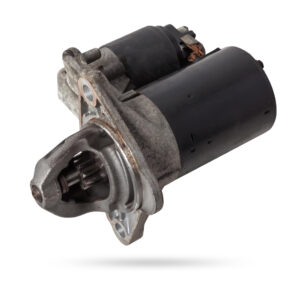
- The starter motor is failing. A single click or rapid clicking can point to battery or connection issues, but it can also be starter-related.
- The alternator isn’t charging. The car might start with a jump and then die again shortly after.
- The battery is frozen in extreme cold. Trying to jump a frozen battery can be risky. St. Louis winters can get cold enough for this to be a concern during severe cold snaps.
For hybrids and EVs, the situation can be different depending on the vehicle design. Many still have a 12-volt battery that can die, but jump points and procedures vary. If you’re not sure, check your manual or get professional help.
After the jump: how long to drive, and when to test the battery
How long you need to drive depends on why the battery died, the battery’s age and condition, and your vehicle’s charging system.
As general guidance, a short idle may not be enough if the battery was deeply discharged. A longer drive is often more effective, but there’s no single “magic” number that fits every car. If the battery is old or weak, it may start today and fail again tomorrow.
Plan to get the battery and charging system tested if:
- The car needed a jump more than once in a short period
- The engine cranks slowly even after driving
- Warning lights related to the charging system show up
- The car dies soon after you disconnect the cables
To prevent repeat issues, make sure lights are fully off, doors are shut, and charging ports are not keeping accessories powered. If the battery is near the end of its life, replacement may be the real fix.
When to call for a jump start instead
Calling for help is often the safer decision in the rain when:
- You’re near fast-moving traffic or on a narrow shoulder
- It’s dark and visibility is poor
- You’re in a tight garage or lot where positioning vehicles is difficult
- The battery looks damaged or the terminals are heavily corroded
- You’re not confident you can connect everything correctly
Quick recap: a rain-ready jump-start checklist
Before you start, remember:
- Get to the safest spot possible and use hazard lights.
- Avoid jump-starting during nearby lightning.
- Connect cables in the correct order and ground the final black clamp to metal on the dead vehicle.
- Keep cables away from moving parts and don’t rush.
- If the car starts, keep it running and plan a battery/charging test if the issue repeats.
A rain jump start is usually doable, but your safety comes first. If conditions are sketchy or the vehicle shows signs of a bigger problem, it’s completely reasonable to call us at Reliable Guys Towing Service, (314) 325-1016, and let a pro handle it.