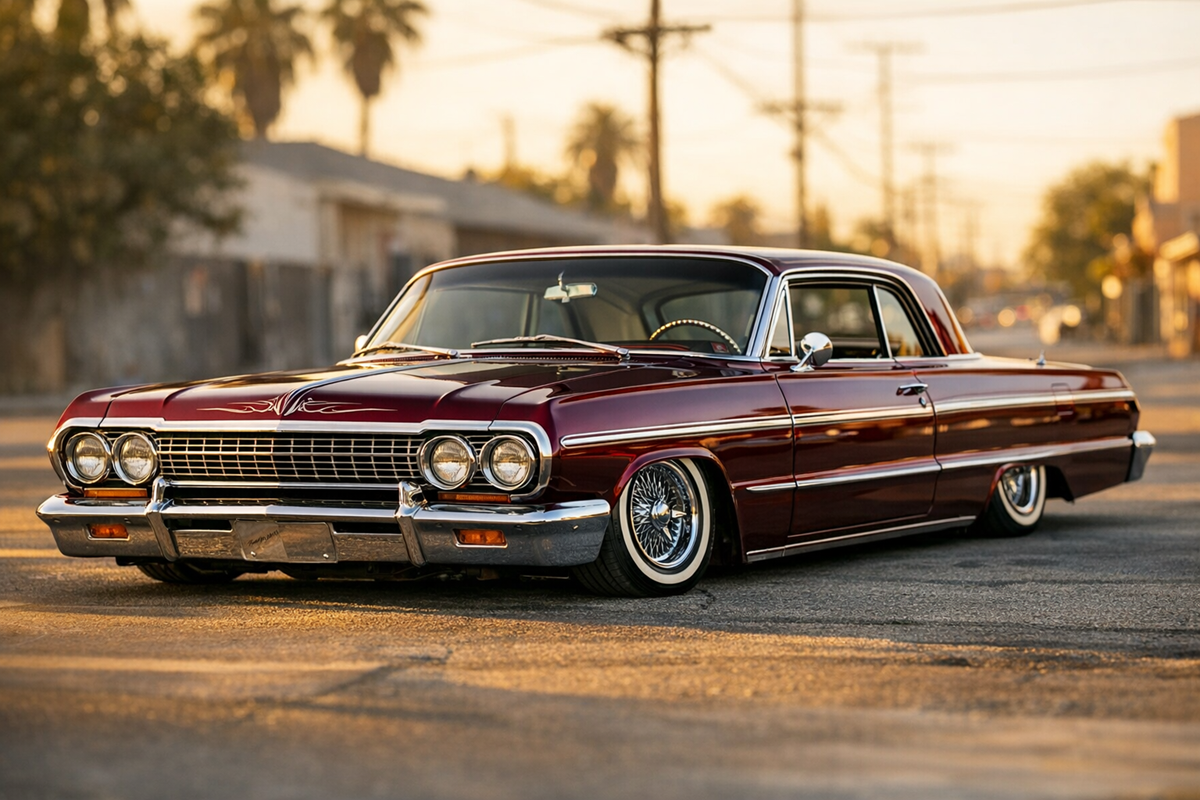
If your car sits low, a tow can be stressful for a different reason than most people expect. The problem usually is not the towing itself, it’s the loading angle. A steep approach can scrape a front lip, crack a splitter, crush an undertray, or hang up an exhaust before the vehicle is even on the truck. This article explains towing a lowered car without damage, what to do while you wait, what to tell dispatch, and what a safe loading plan typically looks like in the St. Louis metro area. If you’re already stuck and need to arrange a tow, Reliable Guys Towing Service can be reached at (314) 325-1016.
What to do first when your lowered car needs a tow
Start with safety and vehicle protection. If you’re in a travel lane or on a narrow shoulder, turn on hazards and focus on getting to a safer spot if the car can move under its own power. A nearby lot, a wide shoulder, or a side street is often a better place to load than the edge of a fast road.
If you can’t move the car, stay aware of traffic and avoid crouching behind the vehicle where drivers may not see you. If it’s safe, take a few quick photos of the front bumper, side skirts, and the underside area you can see. That gives you a reference point before any loading happens.
Avoid the temptation to “just bump it” over a curb or steep driveway edge to reach a better spot. Low cars can break plastic aero pieces or bend metal mounting points surprisingly easily. If the car is disabled on a steep driveway or parking structure ramp, it’s usually better to explain the situation to the tow provider so they can plan the right approach.
Why lowered cars get damaged during towing
Most damage happens at transition points, not on the flat road. Lowering a vehicle reduces ground clearance, but it also changes the angles that matter during loading.
The two big culprits are approach angle and breakover angle. Approach angle is what your front bumper can clear when the car starts up a ramp. Breakover angle is whether the middle of the car bottoms out as it goes over a peak, like the crest between a driveway and the street, or the point where a ramp meets a flatbed.
Long front overhangs make it worse. A car can have decent clearance at the wheels but still scrape because the bumper extends forward. Add a lip kit, splitter, or low intercooler piping and the risk goes up again. Rear diffusers, exhaust tips, and low-hanging mufflers can scrape too, especially on rear-wheel-lift style towing where the back end can drag over bumps.
The key takeaway is simple: a lowered car needs a plan that reduces steep angles and sudden transitions.
The towing method that usually reduces scraping risk
Why a flatbed is typically preferred for low clearance
For many low-clearance vehicles, a flatbed tow truck is the least complicated path to a clean tow because the car can be loaded onto the deck and secured with the wheels supported. What matters is not just “flatbed vs. wheel-lift,” but how the vehicle is loaded onto that flatbed.
A careful operator can adjust the bed angle, position the truck to reduce the ramp steepness, and use techniques that keep the bumper from being the first thing that hits. If your car is very low or has fragile aero, the operator may choose to winch it up rather than drive it up under power. Winching gives slower, more controlled movement and lets the operator stop instantly if something is about to touch.
When a wheel-lift can be risky for lowered cars
Wheel-lift towing can work for some vehicles, but it can create clearance problems for lowered setups. The lifting arm and the geometry of the tow can pull the vehicle at an angle that causes scraping at the front, rear, or undercarriage. Even if nothing scrapes at the start, dips, driveway transitions, and uneven pavement can cause contact later.
That does not mean wheel-lift towing is “wrong,” but for many lowered cars, it raises the odds of the exact damage owners worry about. That’s why describing your ride height and any body kit to dispatch matters.
Key details to tell dispatch before the truck is sent
When you call for a tow, the goal is to prevent surprises. Lowered cars are common, but every setup is different. Be ready to describe your clearance and any parts that change the car’s shape under the bumper.
Helpful details include the car’s make and model, and whether it has a front lip, splitter, side skirts, or aftermarket bumper. If you know it’s extremely low, say that clearly. Mention if it is all-wheel drive, rear-wheel drive, or four-wheel drive if you know. Drivetrain can affect what towing methods are safe.
Also describe the location constraints. If you’re in a tight parking lot, on a steep driveway, or inside a garage, say so up front. Clearance issues like low ceilings or narrow turns can change what equipment fits and where loading can happen.
Finally, tell dispatch whether the car rolls freely and whether the steering works. A car that won’t roll, won’t steer, or is stuck in Park can require a different approach than a normal breakdown.
How operators load a lowered car more safely
You don’t need to instruct the tow operator, but it helps to understand what a careful loading plan looks like so you can communicate concerns clearly.
Using long ramps, ramp extensions, or a lower-angle load
Lower angle is the whole game. A longer ramp reduces steepness. Some operators use ramp extensions or additional boards to create a smoother transition. The goal is to prevent the bumper or undertray from hitting at the moment the front wheels start climbing.
Winching instead of driving onto the bed
If the car is disabled, very low, or has traction issues, winching may be the safer loading choice. It gives controlled movement and reduces sudden surges that can occur when someone lightly applies throttle. Even if the car runs, winching can still be used if the goal is maximum control and minimal angle drama.
Using blocks or boards to reduce the approach angle
When it’s appropriate and safe, adding blocks under the ramp transition can soften the “break” where the ramp meets the ground. This is one of the most common ways to avoid scraping, but it depends on the surface and setup. Not every scene allows it.
Correct tie-down points to avoid suspension or body damage
Lowered cars often have aftermarket suspension parts, aero panels, or undertrays that can be damaged by the wrong strap placement. A careful operator will choose tie-down points designed for securement, not fragile plastic. If your car has a factory tow hook location or you have a tow eye in the trunk, it’s worth mentioning.
Parking garage, steep driveway, or curb situations
In the St. Louis metro area, a lot of towing calls involve garages, apartment lots, and sloped driveways. These are where lowered cars get scraped most often, even before the tow truck arrives at the main road.
If you’re in a garage, the flatbed may not fit or may not be able to angle the bed properly. Sometimes the best plan is to carefully move the car to a better loading area if it can roll, or to stage the vehicle near an exit where angles are less severe. If the car is dead, the tow operator may need to use equipment that helps reposition it without dragging.
Steep driveways and tall curbs can also create a “high center” situation. In those cases, forcing the car over the edge can do real damage. It’s better to pause and adjust the plan than to commit to a bad angle.
What you can do while waiting to reduce the chance of scraping
If it’s safe to do so, a few small prep steps can reduce problems. Remove loose items from the front splitter area if something is already partially detached. If you have a removable front lip that’s held on with simple fasteners and you know how to take it off safely, that can reduce risk. If you’re unsure, it’s better not to start pulling parts off on the roadside.
Make sure you have your wheel lock key if your wheels use one. Keep it accessible. If the car needs to be shifted or rolled, having the key and any special tools handy can save time and reduce rushed decisions.
Try to straighten the front wheels if the car is drivable enough to do so. A straight steering angle can make loading smoother and reduce the chance of catching a tire on the ramp edge.
Red flags that suggest you should stop and reassess the tow approach
You don’t need to debate the operator, but you can ask for a moment to discuss the loading plan if something feels off. A few warning signs include rushing into loading without looking at clearance, setting up on a steep angle when there are safer positioning options nearby, or beginning to drag the car when the plan was to load it.
If you hear scraping starting, it’s reasonable to ask to pause and adjust. Sometimes a small reposition, a different bed angle, or a change in ramp setup can make the difference.
After the tow: quick checks for damage and next steps
Once the car is unloaded, take a quick look at the front lip, bumper edges, undertray, and exhaust area. If anything feels new, document it with photos. Pay attention to how the car drives afterward too. If it scraped hard, it could have loosened an undertray or bent a bracket that later causes rubbing.
If the breakdown wasn’t caused by the tire or wheel, but you hit something in the road, consider having the alignment checked. Some problems show up later as vibration, pulling, or uneven tire wear.
Conclusion
Towing a lowered car without damage is mostly about planning for clearance: choosing a safer loading location when possible, communicating that the vehicle sits low, and using a loading approach that reduces steep angles and sudden transitions. The more details you share up front, the easier it is for the tow operator to arrive with the right plan.
If you need help arranging a tow in the St. Louis metro area, including Illinois and Missouri, you can contact Reliable Guys Towing Service at (314) 325-1016. We’ll help you figure out the safest way to move a low-clearance vehicle without turning a breakdown into body damage.